
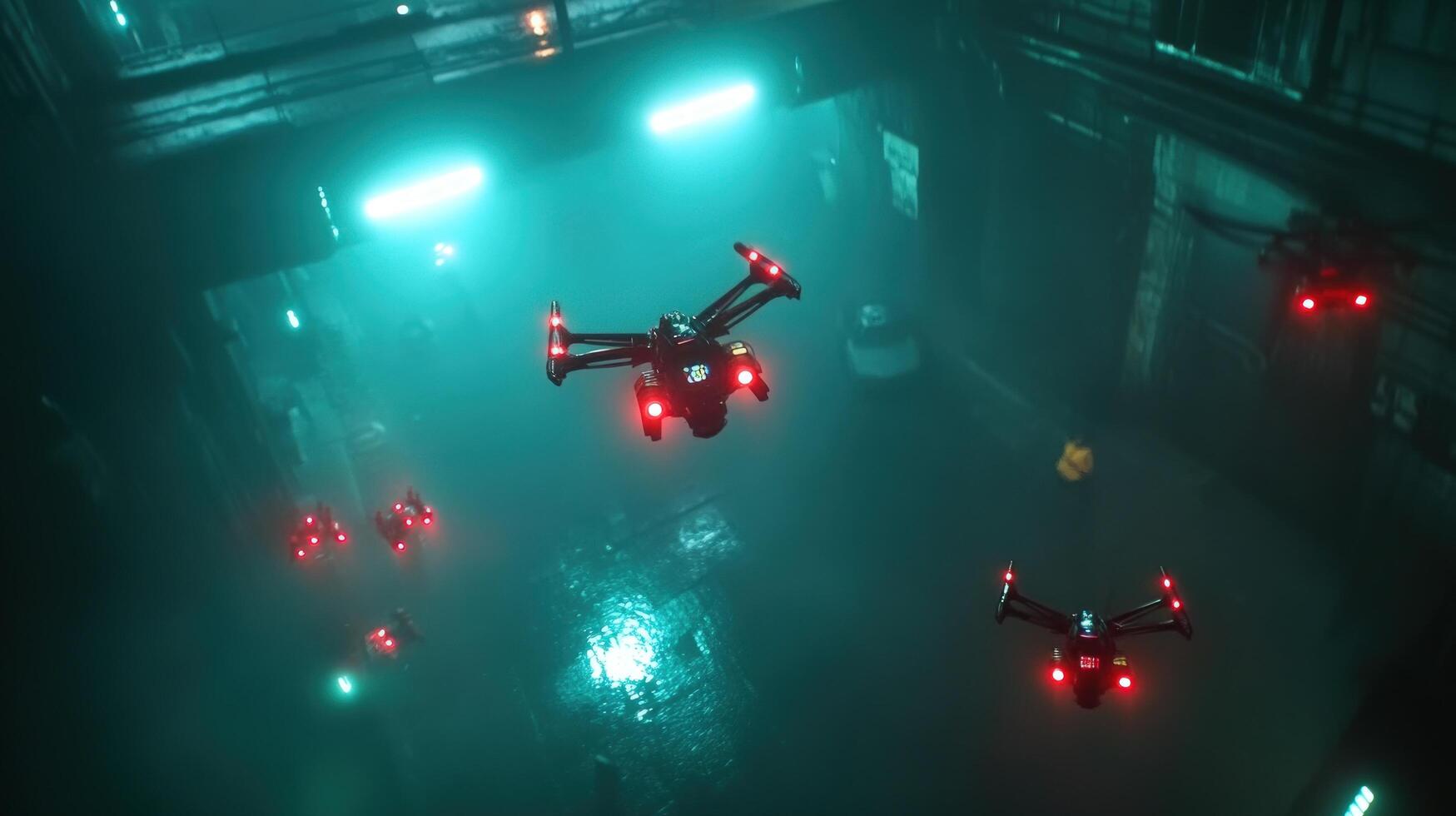
The dawn of a new era in security has been marked by the rise of the security and surveillance drone. These technological marvels have literally transformed the landscape of modern surveillance, enabling unprecedented levels of observation and data collection. From private enterprises to governmental bodies, the use of drones for security purposes has proven to be both revolutionary and effective.
Why Drones Are Revolutionizing Security
In recent years, the global landscape has seen a marked increase in security challenges ranging from natural disasters to terrorism threats. Security and surveillance drones have stepped into the spotlight as agile and reliable solutions that complement and enhance traditional security measures.
- Cost-effectiveness: Drones eliminate the need for large manpower resources, reducing overhead costs.
- Accessibility: They can reach areas that are otherwise inaccessible or dangerous for humans.
- Efficiency: Quick deployment and real-time data collection make them ideal for rapid response scenarios.
Key Use Cases for Security and Surveillance Drones
Border Patrol and National Security
Drones have been employed to bolster national security by providing aerial surveillance along border lines, detecting illegal activities, and helping in the swift response to border threats. Their ability to cover vast distances makes them invaluable assets to border patrol agencies.
Disaster Response and Management
In the face of natural disasters, drones offer critical support. They provide real-time footage of affected areas, helping emergency teams assess the situation and prioritize response efforts. Their deployment during hurricanes, earthquakes, or floods has proven essential for saving lives.
Crowd Monitoring and Public Safety
Mass gatherings like concerts, sports events, and festivals pose unique security challenges. Security and surveillance drones can monitor crowds for unusual behaviors, ensuring rapid intervention if necessary. They provide an added layer of security without disrupting the events themselves.
Critical Infrastructure Surveillance
Drones protect critical infrastructure, such as power plants, pipelines, and ports, from potential threats. They conduct regular inspections, gather critical data, and even detect anomalies that could indicate security breaches or maintenance issues.
Capabilities of Modern Surveillance Drones
Today’s drones are equipped with state-of-the-art technologies that enhance their surveillance capabilities. These features make them indispensable assets in modern security frameworks.
- High-Definition Cameras: Capture detailed images and videos, even in challenging conditions.
- Thermal Imaging: Detect heat signatures, important for nighttime surveillance and search operations.
- Facial Recognition Software: Identify individuals in crowds, aiding law enforcement in tracking persons of interest.
- Autonomous Navigation: Operate with minimal human intervention, increasing efficiency and reducing manpower requirements.
The Ethical Considerations
While the benefits of utilizing drones in security and surveillance are manifold, ethical considerations cannot be ignored. Issues regarding privacy and data protection must be addressed to ensure that the deployment of drones does not infringe on individual rights.
Redefining Security Paradigms
The rise of security and surveillance drones marks a pivotal point in the evolution of protective measures. Companies like Acecore Technologies The Netherlands are at the forefront, driving innovation in drone technology with cutting-edge solutions. As governments and private sectors continue to adopt these technologies, the potential for enhanced security is vast. While challenges remain, particularly in ethical and legal contexts, security and surveillance drones are undeniably reshaping our approach to safety and protection in the modern world.